
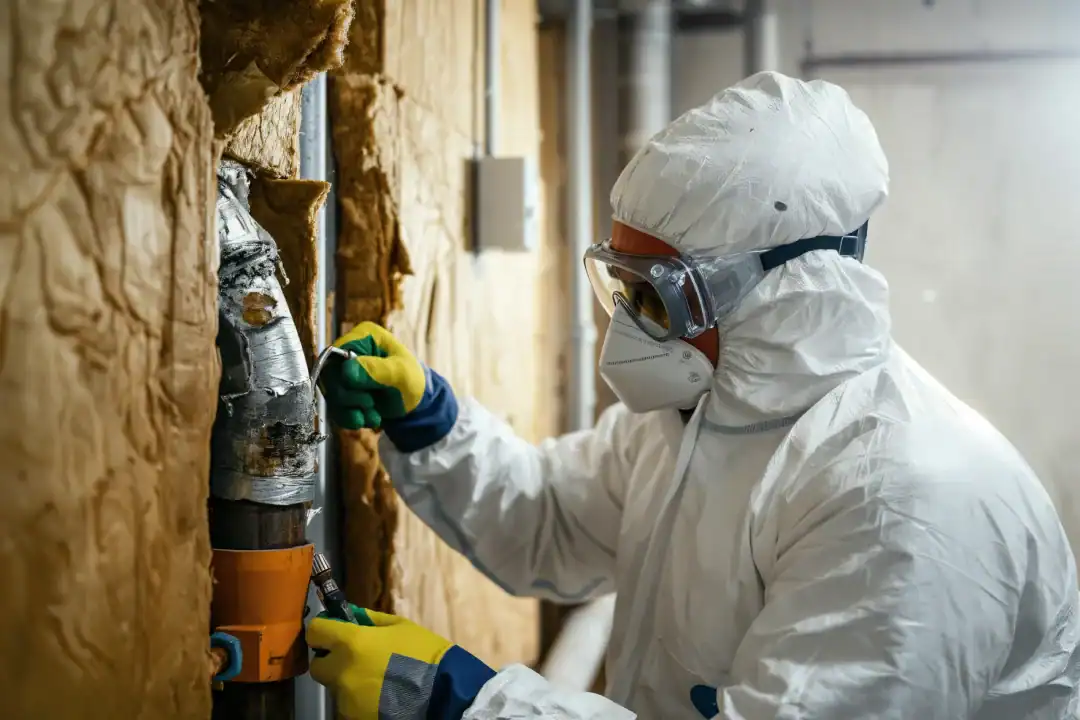
Asbestos has been widely used in building materials in the United Kingdom for decades. While it was once prized for its durability, fire resistance, and insulating properties, it is now well-known for its serious health risks. Exposure to asbestos fibers can lead to life-threatening conditions such as mesothelioma, lung cancer, and asbestosis. Because of these risks, safe asbestos removal has become essential for both residential and commercial properties. This comprehensive guide will walk you through everything you need to know about asbestos removal in the UK.
Understanding Asbestos and Its Risks
Asbestos is a naturally occurring fibrous mineral that was commonly used in insulation, roofing, flooring, and wall materials. It can be found in homes built before the year 2000, as well as in many older commercial buildings. When asbestos-containing materials are damaged or disturbed, microscopic fibers are released into the air. Inhaling these fibers can cause severe respiratory illnesses over time.
Some of the most common asbestos-containing materials include:
- Insulation around pipes and boilers
- Ceiling tiles and textured coatings
- Roofing sheets and cement products
- Floor tiles and adhesives
- Lagging around heating systems
Due to the dangers of asbestos exposure, it is critical to avoid disturbing these materials and to use professional asbestos removal services.
Legal Regulations for Asbestos Removal in the UK
In the UK, asbestos removal and management are strictly regulated under the Control of Asbestos Regulations 2012. Property owners and employers have a legal duty to manage asbestos safely. Key regulations include:
- Conducting risk assessments to identify asbestos-containing materials
- Using licensed asbestos removal contractors for certain types of asbestos
- Ensuring workers handling asbestos receive proper training and protective equipment
- Maintaining detailed records of asbestos inspections and removal procedures
Failure to comply with these regulations can result in severe legal consequences, including fines and imprisonment. Therefore, hiring a certified asbestos removal company is essential.
The Importance of Professional Asbestos Removal
Asbestos removal is not a task to be taken lightly. Attempting to remove asbestos yourself can be extremely dangerous. Certified professionals have the training, experience, and equipment necessary to safely handle and dispose of asbestos materials. Asbestos removal at West Country Asbestos ensures safe handling of hazardous materials for both homes and workplaces.
Professional asbestos removal companies follow strict safety procedures:
- Initial Inspection and Testing: Experts assess the property and collect samples for asbestos testing to confirm the presence of hazardous materials.
- Risk Assessment: A detailed plan is created to remove asbestos safely, considering the type, location, and condition of the material.
- Containment Measures: The affected area is sealed off to prevent fibers from spreading. Negative pressure units and air filtration systems may be used to ensure safety.
- Protective Gear: Workers wear full protective clothing, gloves, and respirators.
- Safe Removal and Disposal: Asbestos materials are carefully removed, double-bagged, and transported to licensed disposal facilities.
- Final Clearance Testing: After removal, air monitoring is conducted to ensure the area is free from asbestos fibers before it is safe to reoccupy.
Asbestos Testing: The First Step
Before removal, professional asbestos testing is crucial. This process involves collecting samples from suspected materials and sending them to accredited laboratories for analysis. Testing helps determine whether the material contains asbestos and guides the removal process. Some materials, such as sprayed coatings and insulation, require licensed contractors for both testing and removal due to their high-risk nature.
Safe Removal Practices for Homes
For residential properties, safe asbestos removal is particularly important to protect families and neighbors. Homeowners should never attempt DIY removal if they suspect asbestos is present. Key practices include:
- Contacting a licensed asbestos removal company
- Avoiding drilling, sanding, or breaking asbestos-containing materials
- Ensuring the work area is sealed and ventilated properly
- Following proper disposal procedures
By hiring professionals, homeowners can reduce the risk of asbestos exposure and ensure compliance with UK safety regulations.
Safe Removal Practices for Businesses
Commercial properties often contain larger quantities of asbestos materials. Businesses must ensure the safety of employees, clients, and contractors. Steps for safe removal include:
- Conducting thorough asbestos surveys before renovation or demolition
- Scheduling removal during off-hours to minimize disruption
- Keeping detailed records of all asbestos management activities
- Using licensed contractors for high-risk asbestos materials
Proper asbestos management not only protects health but also prevents potential legal liabilities and enhances workplace safety.
Choosing the Right Asbestos Removal Company
Selecting a reputable asbestos removal company is critical for safe and effective service. Key factors to consider include:
- Certification and Licensing: Ensure the company is licensed by the Health and Safety Executive (HSE) for high-risk asbestos removal.
- Experience: Look for companies with a proven track record in both residential and commercial projects.
- Safety Measures: Ask about the procedures and equipment they use to protect workers and occupants.
- References and Reviews: Check client testimonials and reviews to verify quality and reliability.
- Transparent Pricing: Request detailed quotes and ensure there are no hidden fees.
Hiring a professional company provides peace of mind and guarantees compliance with UK safety regulations.
After Removal: Clearance and Monitoring
Once asbestos removal is complete, the area must be thoroughly cleaned and tested to confirm that no fibers remain. Clearance testing involves air monitoring and surface sampling. This final step ensures the property is safe to occupy and protects against future exposure risks.
Conclusion
Asbestos removal is a serious and potentially dangerous process that requires professional expertise. Both homeowners and businesses in the UK should prioritize safe asbestos management to protect health and comply with legal regulations. By hiring certified asbestos removal companies, conducting proper testing, and following strict safety protocols, you can effectively manage asbestos risks and maintain a safe living and working environment.
Investing in professional asbestos removal is not only a legal requirement but a vital step in safeguarding the well-being of everyone who uses your property. Whether for a home or a business, understanding the risks, following best practices, and working with experienced professionals will ensure that asbestos is removed safely and efficiently.