
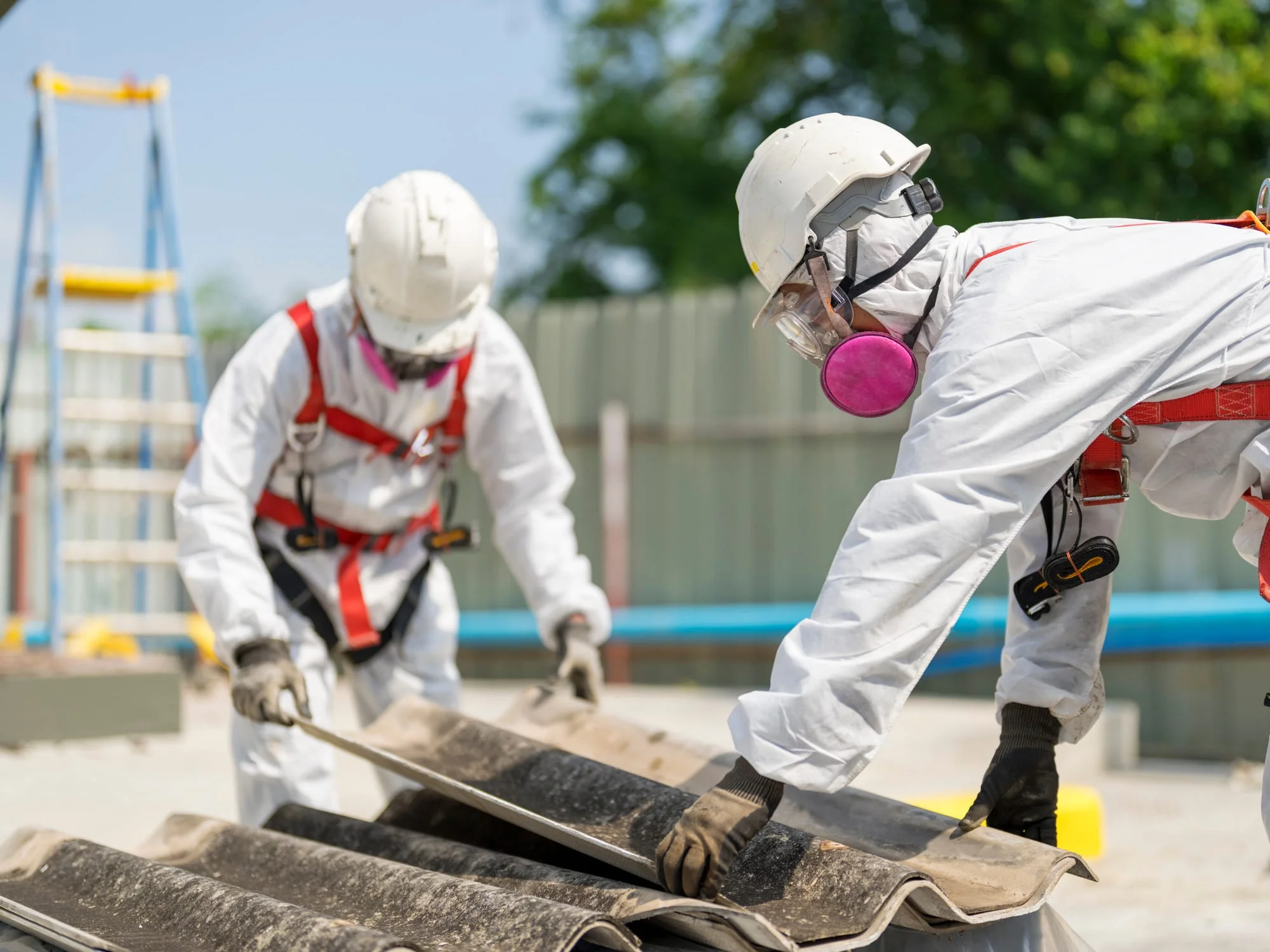
Asbestos remains a serious health hazard in buildings throughout the United Kingdom. Despite being banned in 1999, many residential, commercial, and industrial properties built before that time still contain asbestos-containing materials. When disturbed, these materials release microscopic fibres that can be inhaled, causing severe respiratory illnesses such as mesothelioma, lung cancer, and asbestosis.
Understanding the process of asbestos removal, associated costs, and legal requirements is essential for homeowners, landlords, contractors, and business operators. This guide provides a comprehensive step-by-step overview of asbestos removal in the UK, ensuring safety, compliance, and peace of mind.
Understanding Asbestos and Its Health Risks
Asbestos is a naturally occurring mineral valued for its durability, insulation, and fire resistance. Commonly found in older buildings, it was used in:
- Roofing sheets and tiles
- Floor tiles
- Pipe insulation and boiler lagging
- Ceiling coatings and decorative plaster
- Cement panels
- Textured surfaces and cladding
Disturbing asbestos-containing materials can release tiny fibres into the air. Inhalation of these fibres can lead to long-term, life-threatening health conditions. Early detection and professional removal are critical for preventing exposure. Many clients choose asbestos removal UK services for reliable, certified, and professional solutions.
Step 1: Initial Assessment and Survey
Before any removal, a thorough property assessment is necessary. Certified surveyors conduct a detailed inspection to:
- Identify potential asbestos-containing materials
- Evaluate the condition and risk level of these materials
- Determine whether the asbestos is friable (easily crumbled) or non-friable
Survey types include management surveys for routine monitoring and refurbishment or demolition surveys for construction projects. Accurate identification is essential for safe removal planning.
Step 2: Sample Collection and Laboratory Testing
Suspected asbestos materials are carefully sampled by trained professionals. Samples are sent to accredited laboratories for testing, confirming:
- The presence of asbestos
- The type of asbestos (chrysotile, amosite, or crocidolite)
- The risk level associated with the material
Professional testing ensures accurate identification and supports regulatory compliance.
Step 3: Risk Assessment and Removal Planning
Once asbestos is confirmed, a detailed removal plan is developed. This plan includes:
- Safety protocols for workers and occupants
- Containment measures to prevent fibre release
- Equipment and protective gear requirements
- Timeline and sequence of work
- Waste handling and disposal procedures
A clear plan ensures efficient, safe, and compliant removal.
Step 4: Site Preparation and Containment
Before removal begins, the site is prepared to prevent fibre spread. Preparation measures include:
- Sealing off work areas
- Establishing negative pressure zones
- Setting up decontamination units
- Posting warning signs and restricting access
Proper containment protects workers, occupants, and the surrounding environment.
Step 5: Controlled Asbestos Removal
Trained technicians remove asbestos using specialist techniques. Key measures include:
- Wearing full personal protective equipment
- Using tools and methods designed to minimise fibre release
- Ensuring safe handling of materials
- Securing materials in sealed containers for disposal
Controlled removal reduces the risk of airborne contamination and ensures compliance with safety regulations.
Step 6: Safe Waste Packaging and Disposal
All asbestos waste is packaged, labeled, and transported to licensed disposal facilities. Proper disposal ensures:
- Environmental protection
- Compliance with legal requirements
- Prevention of contamination in landfill or surrounding areas
Licensed contractors handle all waste transport and documentation.
Step 7: Clearance Testing and Certification
After removal, air monitoring and testing are conducted to confirm that asbestos fibres are no longer present. A clearance certificate is issued to verify that the property is safe for reoccupation. This certificate is essential for legal compliance and future property transactions.
Legal Requirements for Asbestos Removal in the UK
The Control of Asbestos Regulations 2012 governs asbestos management and removal. Key obligations include:
- Conducting surveys before renovation, demolition, or maintenance
- Maintaining an asbestos register in commercial buildings
- Using licensed contractors for high-risk asbestos work
- Implementing safety control measures and containment procedures
- Disposing of asbestos at approved facilities
- Keeping accurate records and documentation
Compliance protects property owners and employers from legal action, fines, and liability claims.
Costs of Asbestos Removal in the UK
The cost of asbestos removal varies depending on several factors:
- Type of asbestos material
- Quantity of material
- Accessibility of the removal area
- Level of containment and safety required
- Disposal logistics
Typical costs range from several hundred pounds for small residential jobs to several thousand pounds for large commercial or industrial projects. Investing in professional removal ensures long-term safety and legal compliance.
Safety Standards and Best Practices
Professional asbestos removal follows strict safety standards, including:
- ISO and HSE-compliant procedures
- Training and certification for all technicians
- Use of specialized containment and decontamination equipment
- Regular monitoring and risk assessments
- Comprehensive documentation of all processes
Adherence to these standards protects both workers and property occupants.
Choosing the Right Asbestos Removal Service
When hiring a company, consider:
- Valid licenses and certifications
- Extensive industry experience
- Insurance coverage for liability and public safety
- Transparent pricing and detailed quotations
- Positive customer feedback
- Comprehensive service offerings, including surveys, removal, disposal, and certification
Selecting a reputable provider ensures safe, efficient, and compliant asbestos removal.
Emergency Asbestos Removal
Unexpected incidents such as structural damage, flooding, or accidental drilling can release asbestos fibres. Emergency removal services provide:
- Rapid site assessment
- Immediate containment measures
- Controlled removal
- Guidance on safe reoccupation
Prompt professional response reduces health risks and prevents further contamination.
Benefits of Professional Asbestos Removal
- Ensures the health and safety of residents, employees, and contractors
- Compliance with UK asbestos regulations
- Efficient project execution with minimal disruption
- Accurate risk assessment and management
- Proper disposal protecting the environment
- Documentation and clearance certification for legal protection
Professional removal not only mitigates risk but also adds long-term value to properties.
Conclusion
Asbestos removal in the UK requires careful planning, legal compliance, and professional expertise. Following the step-by-step process—from initial survey and testing to controlled removal, disposal, and clearance certification—ensures safety for homes, businesses, and communities.
Hiring certified and licensed asbestos removal specialists provides peace of mind, protects health, and guarantees compliance with UK laws. Investing in professional asbestos removal is not just a regulatory requirement, but a responsible choice for safety, legal protection, and environmental stewardship.